

.png?width=1800&height=1200&name=Can%20I%20Paint%20My%20Kitchen%20Cabinets%20(7).png)
Selecting the right tile for your bathroom is one of the most important decisions you will make during a remodel. Beyond aesthetics, tile directly affects long-term durability, safety, maintenance, and overall performance in a moisture-rich environment. With so many material options on the market, homeowners often feel uncertain about where to begin and which tile will serve them best.
As a professional design-build remodeling firm with decades of experience, we understand how the right tile can completely transform a bathroom while standing up to daily use. This comprehensive guide addresses all the most common questions homeowners ask, highlights the best tile materials for bathrooms, and explains what to consider when choosing tile for your floors, shower walls, and shower floors.
Why Tile Selection Matters in a Bathroom
Bathrooms present unique challenges that other rooms in the home do not. Tile in these spaces must withstand:
-
High levels of moisture and humidity
-
Frequent temperature changes
-
Daily foot traffic
-
Cleaning products
-
Constant exposure to water on shower walls and floors
Because of these demands, bathroom tile must be durable, slip-resistant, water-resistant, and able to maintain its integrity over many years. The right material not only improves longevity but also reduces maintenance and enhances safety.
Homeowners should evaluate tile choices based on:
-
Durability
-
Water absorption rate
-
Slip resistance
-
Ease of cleaning
-
Aesthetic goals
-
Long-term maintenance requirements
The sections below detail the most reliable and widely recommended bathroom tile options.
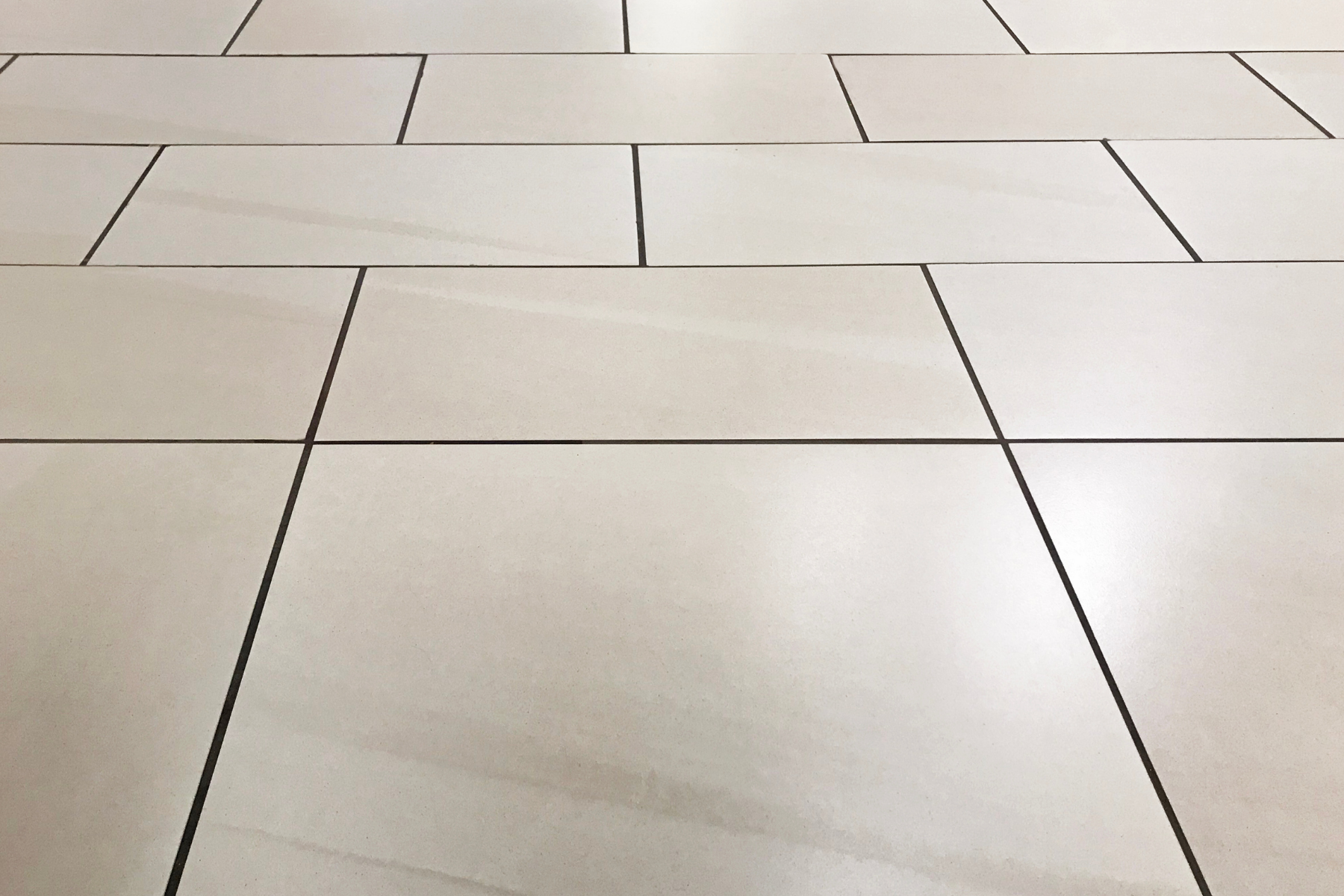
1. Porcelain Tile: The Most Durable and Versatile Choice
Porcelain tile is widely recognized as the top choice for bathrooms due to its exceptional durability, moisture resistance, and versatility. For homeowners who want a long-lasting, low-maintenance solution that maintains its appearance over time, porcelain remains unmatched.
Key Advantages
-
Highly water-resistant: Porcelain is denser and less porous than ceramic, making it ideal for wet areas such as showers and bathroom floors.
-
Exceptional durability: It resists chips, cracks, and wear, performing well in high-traffic family bathrooms.
-
Extensive design options: Porcelain can replicate natural stone, marble, wood, or terrazzo at a lower cost and with easier upkeep.
-
Low maintenance: It does not require sealing and can be cleaned with standard tile-safe products.
-
Slip-resistant finishes available: Matte, textured, and mosaic styles improve safety in wet environments.
Considerations
-
Higher cost than ceramic.
-
Heavier, often requiring professional installation.
Best Applications
-
Bathroom floors
-
Shower floors (in mosaic format)
-
Shower walls
-
High-humidity areas
Porcelain consistently delivers the best balance of performance, aesthetics, and longevity. For most homeowners, it is the recommended material for the majority of bathroom surfaces.
.png?width=1800&height=1200&name=New%20Jersey%20Tile%20(4).png)
2. Ceramic Tile: A Reliable, Budget-Friendly Option
Ceramic tile is similar to porcelain but slightly less dense and less moisture-resistant. It remains a strong, dependable choice, especially for walls or lower-moisture areas, offering excellent value without compromising style.
Key Advantages
-
More affordable than porcelain.
-
Lightweight and easier to install.
-
Extensive design and color options.
-
Ideal for decorative walls and larger design concepts.
Considerations
-
Less water-resistant than porcelain.
-
Slightly more prone to cracking in high-impact or high-traffic conditions.
-
Not recommended for heavy water exposure on floors.
Best Applications
-
Shower walls
-
Bathroom walls
-
Powder room floors
Ceramic remains one of the most popular choices for homeowners looking to balance cost and style.
.png?width=782&height=521&name=email%20(17).png)
3. Natural Stone Tile: Premium Aesthetics with Higher Maintenance
Natural stone, such as marble, slate, travertine, and granite, offers a rich, distinctive appearance that cannot be fully replicated by manufactured materials. Every piece is unique, adding a timeless, high-end feel to the bathroom.
Key Advantages
-
Luxurious appearance with natural variation.
-
Durable when properly maintained.
-
Adds lasting value to the home.
Considerations
-
Requires regular sealing to prevent staining and moisture absorption.
-
Higher maintenance demands.
-
Can be slippery when polished, especially on floors.
-
Higher cost for both material and installation.
Best Applications
-
Bathroom floors (non-polished finishes recommended)
-
Feature walls
-
Shower walls (with sealing considerations)
Natural stone is ideal for homeowners who prioritize design character and are comfortable with routine maintenance.
.png?width=1800&height=1200&name=New%20Jersey%20Tile%20(1).png)
4. Glass Tile: Best for Accents, Borders, and Decorative Features
Glass tile is often used to introduce color, texture, or visual interest into a bathroom design. Its reflective qualities brighten a space and pair well with modern or contemporary aesthetics.
Key Advantages
-
Non-porous and easy to clean.
-
Reflects light, making small bathrooms feel larger.
-
Available in many colors, shapes, and sizes.
Considerations
-
Not suitable for bathroom floors due to slip risk.
-
Shows water spots and fingerprints more easily.
-
Typically higher in cost than ceramic or porcelain.
Best Applications
-
Accent walls
-
Shower niches
-
Backsplashes
-
Decorative insets
Glass tile performs best as a design element rather than as a primary surface material.
.png?width=1800&height=1200&name=New%20Jersey%20Tile%20(3).png)
5. Luxury Vinyl Tile (LVT): A Modern, Waterproof Alternative
While not technically tile, luxury vinyl tile (LVT) and luxury vinyl plank (LVP) have grown in popularity for bathrooms, particularly in situations where comfort, cost, or ease of installation are priorities.
Key Advantages
-
Fully waterproof.
-
Softer and warmer underfoot than tile.
-
Highly cost-effective.
-
Slip-resistant options available.
Considerations
-
Not suitable for shower floors or shower walls.
-
Less durable than porcelain tile.
-
Requires professional installation to ensure proper sealing around tubs, toilets, and perimeter edges.
Best Applications
-
Bathroom floors outside the shower
-
Guest bathrooms
-
Lower-budget remodels
LVT is a practical solution for homeowners seeking comfort and affordability without compromising waterproofing.
.png?width=1800&height=1200&name=New%20Jersey%20Tile%20(2).png)
6. Cement (Encaustic) Tile: A Bold Design Statement
Cement or encaustic tile is known for its artistic patterns, color variations, and handcrafted look. It adds personality and character to any bathroom, making it ideal for feature spaces.
Key Advantages
-
Distinctive, artisan appearance.
-
Durable when properly maintained.
-
Suitable for both floors and walls in low-moisture areas.
Considerations
-
Requires routine sealing.
-
Can stain if not properly maintained.
-
Not ideal for heavy water exposure.
-
Higher cost and more complex installation.
Best Applications
-
Powder room floors
-
Statement walls
-
Accent areas
Cement tile is best for homeowners who want a unique, design-forward look and are prepared for additional maintenance.
The Best Tile for Each Area of the Bathroom
Different zones in a bathroom have different requirements. Here is what professionals recommend:
Best Tile for Bathroom Floors
Porcelain tile is the most durable and water-resistant choice. For safety, select a tile with a matte finish, textured surface, or mosaic pattern.
Best Tile for Shower Walls
Porcelain or ceramic tile performs exceptionally well in shower environments due to their water resistance and ease of maintenance.
Best Tile for Shower Floors
Mosaic porcelain tile is ideal because smaller pieces allow for proper slope toward the drain while increasing slip resistance.
Best Tile for Small Bathrooms
-
Light-colored porcelain
-
Large-format tile to minimize grout lines
-
Vertical or stacked subway tile for height
-
Hexagon or mosaic patterns for charm
.png?width=1800&height=1200&name=New%20Jersey%20Tile%20(5).png)
How to Choose the Right Tile for Your Bathroom: A Professional Checklist
1. Determine how the space will be used.
High-traffic primary bathrooms require materials that can withstand daily wear. Guest bathrooms or powder rooms have more flexibility.
2. Consider maintenance expectations.
If low-maintenance is a priority, porcelain is the ideal choice. Natural stone and cement tile require more care.
3. Evaluate slip resistance.
Safety is essential in wet environments. Choose matte or textured finishes and review the tile’s COF (Coefficient of Friction) rating.
4. Balance style and functionality.
Tile should enhance the overall design while providing practical benefits. Consider size, color, pattern, grout width, and finish.
5. Set a realistic budget.
Tile costs can vary widely. Porcelain offers the best long-term value. Ceramic supports budget-friendly remodels. Natural stone increases project cost due to material and installation requirements.
6. Order the correct amount.
Professionals recommend ordering:
-
10–15% extra for standard layouts
-
15–20% extra for patterned or large-format tiles
This accounts for cuts, waste, and future repairs.
Frequently Asked Questions About Bathroom Tile
Is porcelain better than ceramic?
Yes. Porcelain is denser, more water-resistant, and more durable, making it the superior choice for high-moisture environments.
What tile is easiest to clean?
Porcelain and ceramic are the lowest-maintenance options.
Should grout be sealed?
Traditional cement-based grout should be sealed. Epoxy grout does not require sealing.
Can natural stone be used in a shower?
Yes, but it requires consistent sealing and proper ventilation to prevent moisture absorption.
What tile lasts the longest?
Porcelain tile is the most durable and long-lasting material for bathrooms.
Are large-format tiles good for small bathrooms?
Yes. Large-format tiles reduce grout lines, creating a cleaner, more open appearance.
Final Recommendation: What Is the Best Tile for a Bathroom?
For most homes, porcelain tile remains the top choice for bathroom remodels. Its unmatched durability, superior moisture resistance, and extensive design options make it a reliable, low-maintenance solution. That said, the best tile for your remodel ultimately depends on your goals, preferred aesthetic, maintenance expectations, and how the space will be used day-to-day.
A professional design-build team will walk you through each of these factors to help you select a tile that supports both the beauty and long-term performance of your bathroom.
If you’re ready to explore options tailored to your home, we encourage you to schedule a consultation, our team is here to guide you every step of the way.