

.png?width=2000&height=1414&name=Best%20Bathroom%20Layouts%20for%20Small%20Spaces%20(2).png)
Small bathrooms can be some of the most challenging spaces to remodel, but with the right layout, they can be just as functional, comfortable, and visually appealing as larger bathrooms. Whether you are working with a compact powder room, a narrow hall bath, or a small primary bathroom, thoughtful layout planning is the foundation of a successful remodel.
From fixture placement and storage solutions to common layout mistakes and planning considerations, this article is designed to answer every question homeowners have before starting a small bathroom remodel.
Why Bathroom Layout Matters More in Small Spaces
In a small bathroom, every inch of space matters. A poorly planned layout can make the room feel cramped, awkward, and frustrating to use. A well designed layout, on the other hand, can significantly improve how the bathroom functions and feels on a daily basis.
A strong layout helps accomplish several important goals:
-
Improves movement and flow within the space
-
Creates better storage opportunities without clutter
-
Enhances comfort and accessibility
-
Makes the room feel larger and brighter
-
Adds long term value to the home
Before choosing tile, fixtures, or finishes, layout planning should always come first. This step sets the foundation for everything that follows.
.png?width=2000&height=1414&name=Best%20Bathroom%20Layouts%20for%20Small%20Spaces%20(3).png)
Key Factors to Consider Before Choosing a Bathroom Layout
Before deciding on a specific layout, it is important to evaluate the realities of the space and how the bathroom will be used.
Room Size and Shape
The overall dimensions of the bathroom will determine what layouts are possible. A standard 5 foot by 8 foot bathroom offers different opportunities than a long and narrow layout. Understanding these constraints early prevents design issues later.
Existing Plumbing Locations
Plumbing locations impact both cost and feasibility. Keeping fixtures close to their original locations can help control budget, but in some cases, moving plumbing can greatly improve functionality and flow.
Door Placement and Clearance
In small bathrooms, door swing is often overlooked. Traditional inward swinging doors can interfere with fixtures and circulation. Pocket doors or outward swinging doors often work better in tight spaces.
Who Uses the Bathroom
A guest bath, hall bath, or primary bathroom will have different requirements. Layout decisions should reflect who uses the space and how often it is used.
The Classic 5 by 8 Bathroom Layout
The 5 by 8 bathroom is one of the most common small bathroom layouts, especially in older homes.
Typical Features
-
Tub and shower combination along one wall
-
Toilet positioned next to the tub
-
Vanity located across from the tub
Why This Layout Works
This layout makes efficient use of limited square footage while still accommodating a full bathtub. Plumbing runs are typically straightforward, which can help manage costs. It is also a practical choice for families and shared bathrooms.
Design Tips
-
Use a floating or wall mounted vanity to open up floor space
-
Choose larger format tile to reduce visual clutter
-
Incorporate recessed niches instead of surface mounted shelving
This layout remains a reliable and cost effective option for homeowners who want a bathtub in a small bathroom.
.png?width=2000&height=1414&name=Best%20Bathroom%20Layouts%20for%20Small%20Spaces%20(5).png)
Walk In Shower Layouts for Small Bathrooms
Replacing a tub with a walk in shower is one of the most popular layout changes in small bathroom remodels.
Best Uses for This Layout
-
Primary bathrooms
-
Guest bathrooms
-
Homes focused on accessibility or aging in place
Key Features
-
Frameless glass shower enclosures
-
Low threshold or curbless entries
-
Clean, minimal hardware
Why It Works
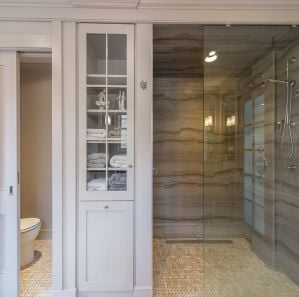
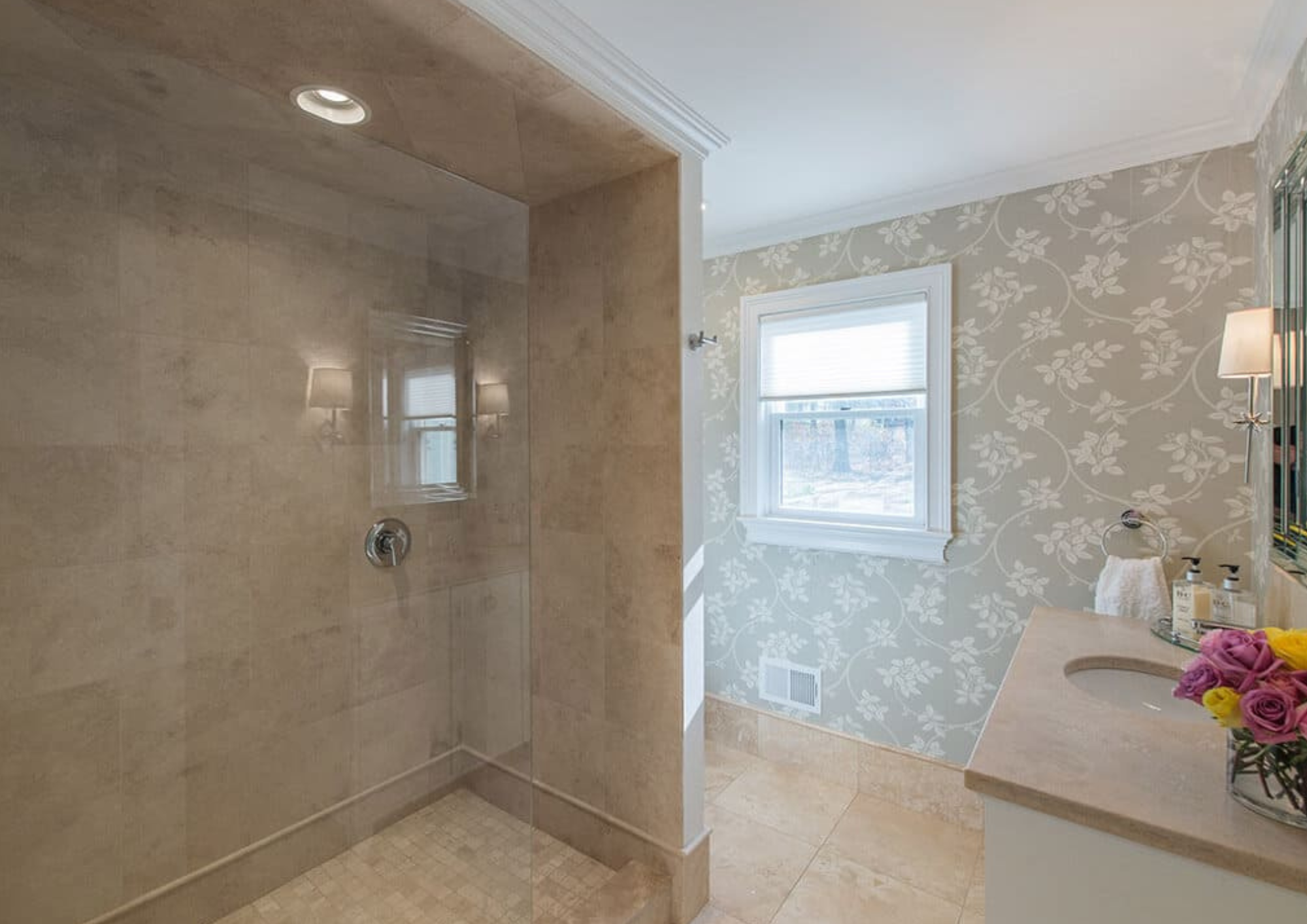
A walk in shower creates a more open visual field and eliminates bulky barriers that can make a bathroom feel smaller. Glass enclosures allow light to move freely through the space, which helps the bathroom feel larger and more modern.
Important Planning Considerations
-
Proper waterproofing is critical
-
Glass placement affects privacy and maintenance
-
Ventilation must be carefully planned
This layout is especially effective when paired with smart lighting and cohesive finishes.
.png?width=2000&height=1414&name=Best%20Bathroom%20Layouts%20for%20Small%20Spaces%20(6).png)
Single Wall Bathroom Layouts
In very tight or narrow bathrooms, a single wall layout can be the most efficient solution.
Typical Configuration
-
Vanity
-
Toilet
-
Shower or tub aligned along one wall
Benefits
-
Simplified plumbing
-
Increased open floor space
-
Cleaner and more streamlined appearance
Design Recommendations
-
Use wall hung toilets and vanities where possible
-
Select shallow depth fixtures
-
Add vertical storage above fixtures instead of bulky cabinets
Single wall layouts work particularly well in smaller homes, additions, or basement bathrooms where space is limited.
Corner Shower Bathroom Layouts
Corner showers are an excellent way to maximize space in square or oddly shaped bathrooms.
Advantages
-
Uses underutilized corner space
-
Frees up wall space for storage or vanities
-
Improves circulation and movement
Design Tips
-
Choose clear glass to avoid visual barriers
-
Pair with a floating vanity for a lighter feel
-
Keep finishes light to enhance openness
Corner shower layouts are especially effective in guest bathrooms and powder rooms where space efficiency is key.
.png?width=2000&height=1414&name=Best%20Bathroom%20Layouts%20for%20Small%20Spaces%20(4).png)
Powder Room Layouts That Make an Impact
Powder rooms may be small, but layout still plays an important role in comfort and usability.
Typical Features
-
Toilet
-
Compact vanity or wall mounted sink
Why Layout Still Matters
Even though powder rooms are used briefly, poor spacing or awkward fixture placement can make the room feel uncomfortable for guests.
Design Strategies
-
Use wall mounted sinks to maximize floor space
-
Install large mirrors to create visual depth
-
Consider bold finishes since moisture exposure is minimal
Because there is no shower or tub, powder rooms offer greater flexibility for creative layout choices.
Storage Solutions That Support Small Bathroom Layouts
Storage is essential in small bathrooms, but it must be planned carefully to avoid clutter.
Effective Storage Options
-
Recessed medicine cabinets
-
Drawer based vanities instead of cabinet doors
-
Built in shower niches
-
Vertical shelving and tall cabinets
Avoid oversized cabinetry that reduces floor space. Smart storage supports the layout rather than competing with it.
The Role of Lighting in Small Bathroom Layouts
Lighting is closely tied to how a layout feels and functions.
Best Practices
-
Use layered lighting with ambient and task lighting
-
Place lighting at eye level near mirrors
-
Avoid relying on a single overhead fixture
Good lighting enhances usability and helps small bathrooms feel larger and more inviting.
Common Small Bathroom Layout Mistakes to Avoid
Certain mistakes can undermine even the most attractive designs.
Frequent Issues
-
Choosing oversized fixtures
-
Poor door placement
-
Inadequate clearance around toilets and vanities
-
Insufficient storage planning
-
Ignoring ventilation requirements
Addressing these issues during the planning phase prevents costly changes later.
.png?width=2000&height=1414&name=Best%20Bathroom%20Layouts%20for%20Small%20Spaces%20(1).png)
Should You Change Your Existing Bathroom Layout?
Many homeowners wonder whether they should keep the current layout or make changes during a remodel.
When Changing the Layout Makes Sense
-
The bathroom feels cramped or inefficient
-
Storage is lacking
-
Accessibility needs have changed
-
Plumbing updates are already required
When Keeping the Layout May Be Better
-
Budget constraints are significant
-
The layout already functions well
-
Structural limitations restrict changes
A professional planning process helps evaluate these options and determine the best approach.
How Professional Planning Improves Small Bathroom Layouts
Small bathrooms require careful and precise planning. Experienced design build teams account for:
-
Building codes and required clearances
-
Waterproofing and ventilation needs
-
Long term durability
-
Cost efficiency
-
Everyday usability
This level of planning ensures the bathroom performs well long after construction is complete.
Final Thoughts on Small Bathroom Layouts
There is no single solution that works for every small bathroom. The best layouts balance function, comfort, storage, style, and budget.
When layout planning is done correctly, even the smallest bathroom can feel open, efficient, and thoughtfully designed. Starting with the layout allows every other design decision to fall into place more easily.
If you are considering a small bathroom remodel, focusing on layout first is the most important step toward a successful outcome. To start designing your dream bathroom, book a consultation with our team today.