


If you’re thinking ahead to a 2026 home remodel, you’re on the right track. Planning early is one of the most important steps in ensuring a smooth, successful project. The remodeling industry has evolved rapidly in recent years. From longer lead times on materials to more complex building codes, energy-efficiency requirements, and township permitting processes, homeowners who prepare in advance set themselves up for a better experience and a stronger final result.
Whether you’re renovating a kitchen, redesigning a bathroom, finishing a basement, or taking on a whole-home transformation, understanding what goes into the planning process is essential. A remodel is more than selecting materials or choosing paint colors; it’s a combination of design, schedule, logistics, budgeting, craftsmanship, and compliance with New Jersey’s building regulations.
This guide walks you through the top considerations for planning a 2026 remodel, including how to prepare, what to expect, how to avoid common pitfalls, and the steps that make the biggest difference in the long-term success of your project.
Why Planning Ahead Matters More Than Ever
In the remodeling world, early planning is no longer optional, it’s the foundation of a successful project.
Longer Lead Times
Cabinetry, windows, custom millwork, plumbing fixtures, and specialty materials can require several months to arrive. Even scheduling licensed trades such as electricians and plumbers has become more competitive.
More Stringent Codes
New Jersey’s Uniform Construction Code continues to evolve. This impacts electrical requirements, insulation standards, structural modifications, mechanical systems, and overall compliance.
High Demand for Skilled Remodelers
Quality remodelers book out months in advance. Starting early allows you to secure your preferred team and avoid rushed decisions.
Better Budget Accuracy
The earlier you plan, the more detailed and accurate your budget and timeline will be.
Planning ahead for a 2026 project ensures your design is thoughtful, your materials are available, and your remodel moves through permitting and construction without unnecessary delays.
.png?width=2000&height=1414&name=2026%20Home%20Remodel%20(1).png)
1. Know How You’ll Use the Space
The most successful remodels begin with clarity about how the space should function, not just today, but for the next 10 to 20 years. Before thinking about fixtures or finishes, homeowners should ask themselves what problems they want the remodel to solve.
Start With Functionality
Ask key questions such as:
-
What do you dislike about your current space?
-
Where are the bottlenecks or inefficient areas?
-
Is the space too small, too dark, poorly laid out, or outdated?
-
Are you looking for more storage, better lighting, or improved traffic flow?
Function drives layout, and layout drives design. Without a clear understanding of needs, remodels often become a collection of disconnected upgrades rather than a cohesive improvement.
Think About Your Household’s Current and Future Needs
A well-designed remodel accommodates your lifestyle for years to come.
Common motivations include:
-
A growing family that needs more space
-
Adults working from home more often
-
Multi-generational living arrangements
-
Hosting more gatherings
-
Creating safer, more accessible spaces
-
Improving efficiency and organization
-
Modernizing outdated layouts
Your remodel should support your life, not the other way around.
Identify the Non-Negotiables
Before designing your new space, define your “must-haves,” such as:
-
A larger kitchen island
-
A more functional mudroom
-
A walk-in shower with low-maintenance tile
-
Additional storage
-
Better lighting or natural light
-
A designated pantry
-
Upgraded ventilation or HVAC improvements
These core priorities anchor the design process and ensure your remodel delivers long-term value.
.png?width=2000&height=1414&name=2026%20Home%20Remodel%20(2).png)
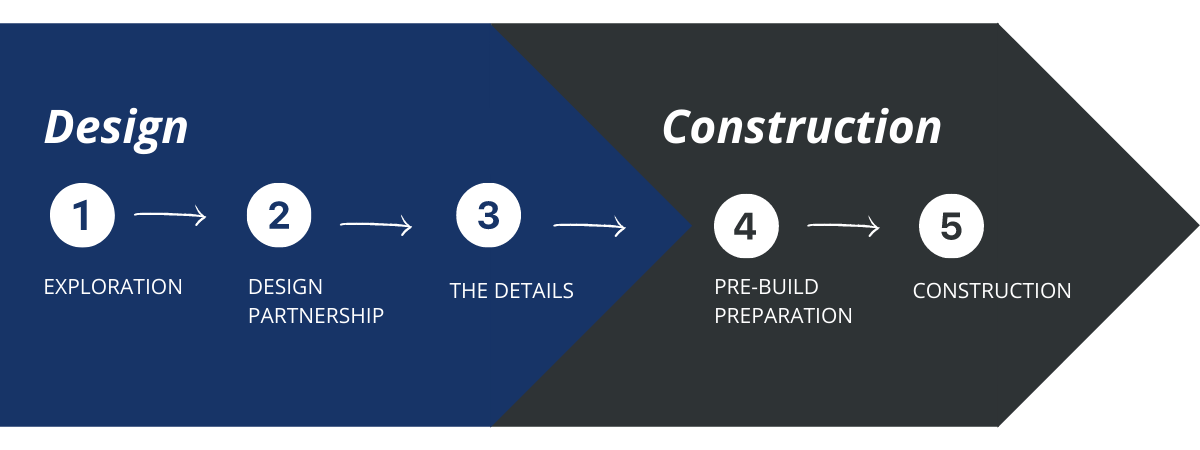
2. Work With a Reputable, Experienced Remodeling Company
Choosing the right remodeling team is one of the most important decisions homeowners make. A reputable, established remodeler brings clarity, structure, and confidence to the entire process.
Why Experience Matters
Experienced remodelers understand:
-
New Jersey building codes
-
Township permit processes
-
Engineering requirements
-
Structural planning
-
Material lead times
-
Proper sequencing of trades
-
Quality craftsmanship
-
Long-term durability
They also know how to anticipate challenges and prevent issues before they arise.
The Benefits of Working With a Design-Build Remodeling Company
Design-build firms handle the entire project under one roof. This means:
-
One team for design, planning, and construction
-
Consistent communication
-
Faster, more accurate estimating
-
Fewer surprises during construction
-
More efficient coordination between trades
-
Better accountability
Design-build streamlines the experience and results in a more cohesive final product.
What to Look for in a Remodeling Company
Licensing and Credentials
In New Jersey, remodeling firms must hold proper licenses, insurance, and certifications. Look for:
-
New Jersey Home Improvement Contractor (HIC) registration
-
Liability insurance
-
Workers’ compensation coverage
-
Lead-safe certifications (when applicable)
-
Strong township relationships
Portfolio and Experience
A company that has successfully completed projects similar to yours brings valuable expertise, especially with structural work, kitchens, bathrooms, or whole-home renovations.
Professionalism and Process
A reputable remodeler will provide:
-
Clear communication
-
Detailed proposals
-
Thorough contracts
-
Realistic timelines
-
Quality craftsmanship
-
Warranty support
Reviews and Reputation
Read reviews and testimonials, paying attention to:
-
Professionalism
-
Cleanliness
-
Craftsmanship
-
Communication
-
Responsiveness
-
Problem-solving
Quality remodelers have long-standing reputations built on trust and consistency.
.png?width=2000&height=1414&name=2026%20Home%20Remodel%20(3).png)
3. Choose Materials That Fit Your Lifestyle
Material selection is more than aesthetics. It directly affects maintenance, durability, functionality, and long-term satisfaction. Homeowners often fall in love with the look of certain materials without considering how they perform day-to-day.
Low-Maintenance Materials Are Key for Modern Living
Today’s homeowners prefer materials that withstand daily use without constant upkeep.
Popular low-maintenance choices include:
-
High-performance luxury vinyl plank
-
Durable cabinet finishes
-
Stain-resistant grout
-
Composite decking and railing systems
-
Engineered wood flooring
-
Porcelain shower tile
These materials offer the look you want without the maintenance burden.
Be Realistic About High-Maintenance Surfaces
Some materials require more care and may not suit every household. These include:
-
Natural marble countertops
-
Softwood flooring (like pine)
-
High-maintenance grout selections
-
Certain natural stones requiring sealing
-
Porous tile that stains easily
If you love the look of a high-maintenance material, discuss alternatives that offer the same appearance with better durability.
Consider Longevity and Future Resale Value
Choosing quality materials now prevents costly replacements later.
Think about:
-
Flooring durability
-
Cabinet construction quality
-
Moisture-resistant materials in kitchens and bathrooms
-
Long-term tile performance
-
High-quality hardware and fixtures
Timeless, durable materials consistently outperform short-lived trends.
.png?width=2000&height=1414&name=2026%20Home%20Remodel%20(4).png)
Additional Essentials to Know Before Beginning Your 2026 Remodel
While the three core considerations, function, team, and materials, are the foundation of any successful remodel, several additional factors strongly influence the experience and outcome.
4. Understand the Permitting Process in New Jersey
Most remodels require one or more permits, including:
-
Building permit
-
Electrical permit
-
Plumbing permit
-
Fire permit (when applicable)
-
Mechanical permit for HVAC changes
A reputable remodeling company will prepare the required drawings, specifications, and documentation, then manage the entire township process on your behalf.
5. Plan for Supply Chain and Material Lead Times
Some materials, such as cabinetry or custom windows, require longer lead times. Planning early ensures:
-
More product availability
-
Better pricing stability
-
Reduced delays
-
More time for detailed design decisions
.png?width=2000&height=1414&name=2026%20Home%20Remodel%20(5).png)
6. Set a Realistic Budget
Budgets should reflect:
-
Scope of work
-
Quality expectations
-
Necessary code upgrades
-
Structural or layout changes
-
Material selections
-
Permit and inspection fees
A professional remodeler provides transparent, detailed estimates and helps guide homeowners toward the best value for their investment.
7. Prepare for Life During the Remodel
Depending on the project, you may need temporary accommodations or workarounds, such as:
-
A temporary kitchen
-
Protected walkways
-
Clear storage plans
-
Scheduling considerations for pets or children
Your remodeler will outline what to expect at each phase of construction.
Final Thoughts
A successful 2026 home remodel begins long before construction starts. Understanding how you’ll use the space, choosing a reputable remodeling company, and selecting materials that fit your lifestyle create the foundation for a strong, durable, and long-lasting result.
With thoughtful planning, clear communication, and the right team guiding the process, your remodel will not only enhance your home, but also improve your everyday life for years to come.
If you’re considering a remodel in the coming year, our team is here to guide you from the first conversation through final completion, ensuring your project is designed and built with care, precision, and lasting quality.